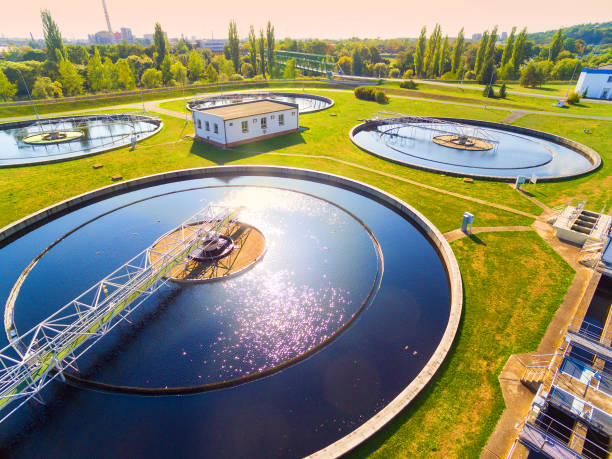
A Sewage Treatment Plant (STP) is a system that cleans dirty water coming from toilets,bathrooms, kitchens, washing areas, and other daily use points. This water contains waste, soap, oil, dirt, and harmful germs. If this water is released directly into
the environment, it can cause pollution and health problems.
Why STP Is Important:
Prevents water pollution
Saves fresh water by reuse
Protects rivers and groundwater
Reduces dependency on tanker water
Helps follow government environmental rules
How an STP Works
CollectionAll dirty water is collected through underground pipelines into a collection tank.
ScreeningLarge waste like plastic, cloth, paper, and solid materials are removed using screens.
This protects pumps and machines from damage.
Grit RemovalSmall particles like sand and mud settle at the bottom so that they do not block pipes.
Primary Settling TankHeavy waste settles down and forms sludge. Lighter water flows to the next stage.
Biological TreatmentHelpful bacteria break down harmful organic waste. Air is supplied so bacteria can clean the water
naturally.
Secondary SettlingRemaining small particles settle down again, making water clearer.
Filtration and Disinfection:Water is filtered and treated with chlorine or UV light to kill harmful germs.
Reuse or Disposal:Treated water can be reused for gardening, toilet flushing, landscaping, cooling towers, or safely
discharged.