Top 5 Reasons Housing Societies in Pune Must Upgrade Their Sewage Treatment Plant (STP) in 2026
Managing a residential housing society or gated township across Pune and Pimpri-Chinchwad (PCMC)—whether in rapidly growing suburbs like Wakad, Baner, Kharadi, Hinjewadi, or Kothrud—comes with demanding operational responsibilities. Chief among these is domestic wastewater management. Sewage Treatment Plants (STP) installed 8 to 15 years ago during initial building construction are increasingly failing to keep pace with higher residential occupancy, tighter environmental discharge norms, and aging mechanical components.
Aging legacy plants suffer from persistent foul odors, frequent pump motor burnouts, high monthly electricity bills, and continuous non-compliance notices from the Maharashtra Pollution Control Board (MPCB). Modernizing your society’s sewage treatment infrastructure with advanced MBBR (Moving Bed Biofilm Reactor) or SBR (Sequencing Batch Reactor) technology is no longer an optional cosmetic fix—it is an essential capital investment that yields massive financial and environmental dividends.
Aging legacy plants suffer from persistent foul odors, frequent pump motor burnouts, high monthly electricity bills, and continuous non-compliance notices from the Maharashtra Pollution Control Board (MPCB). Modernizing your society’s sewage treatment infrastructure with advanced MBBR (Moving Bed Biofilm Reactor) or SBR (Sequencing Batch Reactor) technology is no longer an optional cosmetic fix—it is an essential capital investment that yields massive financial and environmental dividends.
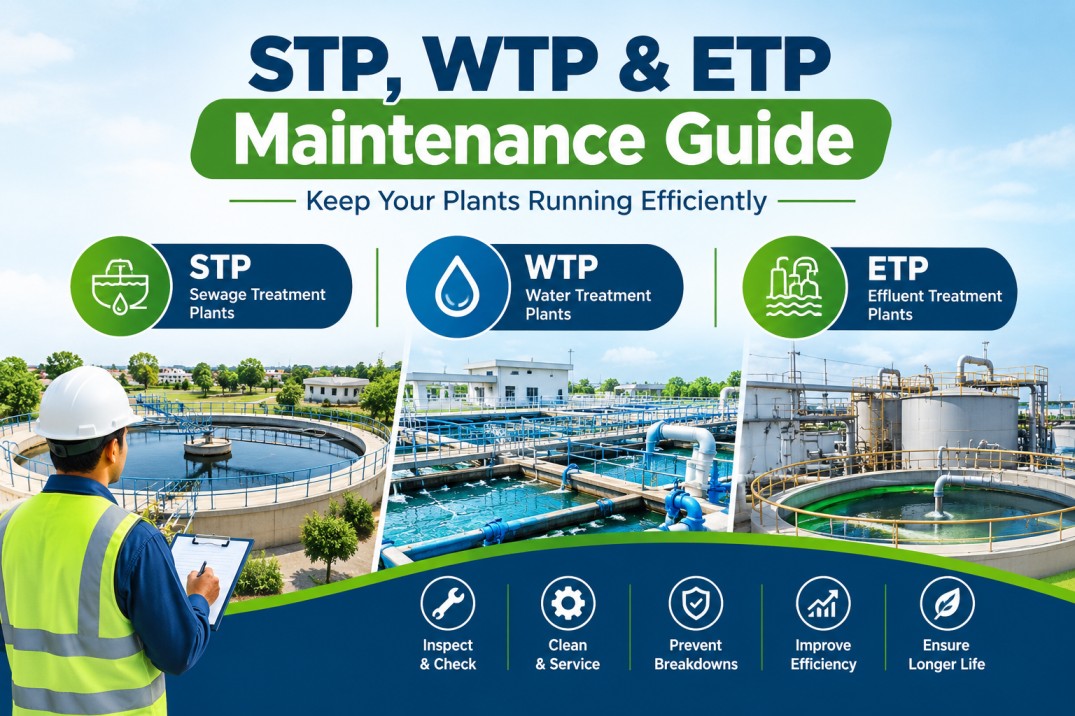
Upgrading your plant hardware is only half the battle. Read our complete guide on 24/7 STP AMC & Preventive Repair Services in Pune to discover how structured maintenance protects your capital equipment.
Complete Elimination of Foul Septic Odors & Sludge Accumulation
Persistent foul odor near parking basements, clubhouse zones, or ground-floor apartments is the single most common complaint from society residents. Legacy Conventional Activated Sludge Plants (ASP) rely on simple diffused aeration without high-surface bio-media. When biological loads fluctuate, dissolved oxygen (DO) levels crash below 1.0 mg/L, causing aerobic bacteria to die off and triggering anaerobic decomposition that releases toxic hydrogen sulfide (H₂S) and ammonia gases.
Upgrading your STP with engineered high-density bio-media (Virgin PP bio-carriers providing over 800 m²/m³ active surface area) fosters a dense, resilient biofilm biomass. Paired with energy-efficient twin-lobe root blowers, upgraded systems maintain optimal DO levels (2.0 to 3.0 mg/L), eliminating septic odors completely at the biological source.
Guaranteed Compliance with Tightened MPCB & Municipal Discharge Norms
The Maharashtra Pollution Control Board (MPCB) and municipal corporations (PMC & PCMC) have intensified environmental audits for residential complexes. Discharging inadequately treated sewage into public storm drains or urban rivers carries severe legal consequences, including heavy monetary penalties, water disconnect notices, and legal withholding of building occupancy permissions.
Official MPCB Discharge Standards for Domestic Treated Sewage
Water Quality Parameter |
Legacy ASP Plant Output |
Upgraded MBBR / SBR Output |
MPCB Permissible Limit |
|---|---|---|---|
|
pH Level |
5.5 – 6.0 (Acidic) |
6.8 – 7.5 (Neutral) |
6.5 – 9.0 |
|
Biochemical Oxygen Demand (BOD) |
45 – 90 mg/L
|
< 10 mg/L
|
< 20 mg/L |
|
Chemical Oxygen Demand (COD)
|
150 – 250 mg/L
|
< 50 mg/L
|
< 100 mg/L |
|
Total Suspended Solids (TSS)
|
50 – 120 mg/L
|
< 10 mg/L
|
< 30 mg/L
|
|
Oil & Grease
|
15 – 35 mg/L
|
< 2 mg/L |
< 10 mg/L
|
Dramatic Reduction in Monthly Electricity Bills via Smart Panel Automation
Un-automated legacy STPs run high-horsepower aeration blowers, sewage transfer pumps, and filter feed pumps continuously for 24 hours a day, generating staggering monthly electricity bills for society management committees. In reality, residential sewage inflow peaks sharply twice daily (morning 6 AM–10 AM and evening 7 PM–10 PM) while remaining low during mid-day and overnight hours.
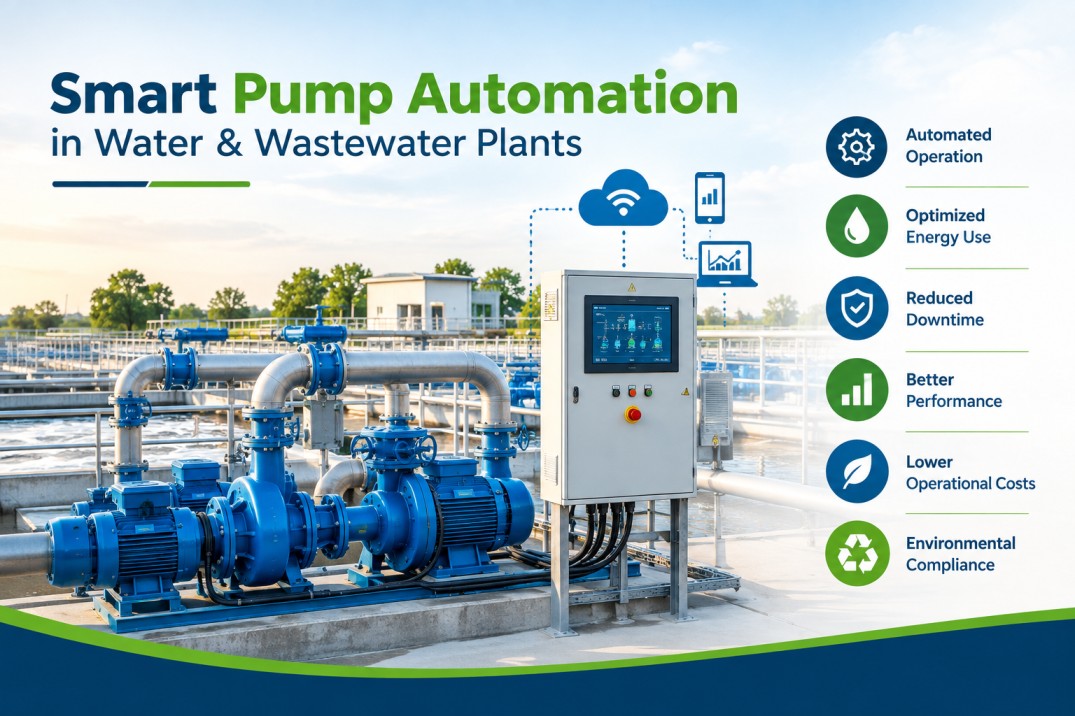
Retrofitting your STP with Variable Frequency Drives (VFDs), automated dissolved oxygen (DO) sensors, and programmable logic controllers (PLC) modulates blower motor speeds based on real-time biological demand, cutting monthly power bills by 25% to 35%.
Retrofitting your STP with Variable Frequency Drives (VFDs), automated dissolved oxygen (DO) sensors, and programmable logic controllers (PLC) modulates blower motor speeds based on real-time biological demand, cutting monthly power bills by 25% to 35%.
Discover Smart Panel Retrofits: Learn how Smart Pump Automation Control Panels in Water Plants slash electricity consumption and prevent motor burnouts.
Substantial Reduction in Fresh Water Tanker Expenses (Real ROI Case Study)
Real-World Society Case Study: 250-Flat Gated Township in Wakad, Pune
Water scarcity during summer months is a major financial drain for housing societies across Pune. Society management committees frequently spend ₹2 Lakhs to ₹6 Lakhs every summer purchasing external fresh water tankers for toilet flushing and landscape maintenance.
- The Challenge : The society was spending ₹4.2 Lakhs annually on 450+ water tankers for flush lines and garden watering due to a non-functional conventional STP delivering murky, odorous water.
- The Solution : Narmada Water Tech upgraded the existing civil tanks to an advanced MBBR process featuring tertiary pressure sand filtration, activated carbon polishing, and automatic online chlorination.
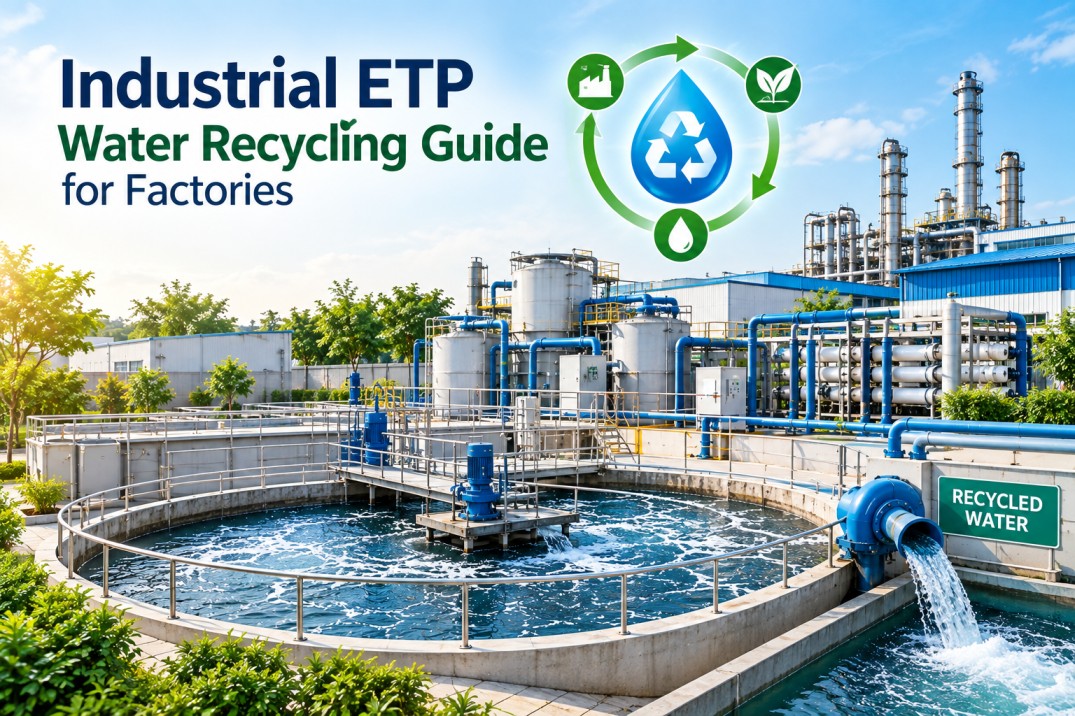
- The Result : The society recovered 120,000 Liters/Day of crystal-clear, odor-free recycled water for flush tanks and landscaping, completely eliminating flush-line tanker dependency and saving ₹3.85 Lakhs per year. The total project upgrade payback was achieved in just 14 months!
Doubling Treatment Capacity Without Extra Civil Footprint
As housing complexes mature and reach 100% occupancy, daily sewage generation frequently exceeds the plant’s original hydraulic design limit. Building new concrete tanks is often impossible due to underground space limitations and high civil construction costs.
An engineered MBBR retrofit solves this space constraint by introducing high-surface bio-carriers into existing aeration basins. This increases biological active mass concentration by 300% without expanding civil tank dimensions—effectively doubling treatment capacity within the existing basement footprint.
An engineered MBBR retrofit solves this space constraint by introducing high-surface bio-carriers into existing aeration basins. This increases biological active mass concentration by 300% without expanding civil tank dimensions—effectively doubling treatment capacity within the existing basement footprint.
Step-by-Step STP Retrofitting Process by Narmada Water Tech
- Comprehensive Site & Process Audit : Evaluating raw sewage inlet BOD/COD, pump health, air diffuser condition, and civil tank integrity
- Custom Process Design : Sizing bio-media fill ratios, air blower CFM requirements, and tertiary filtration capacity.
- Phased Mechanical Retrofitting : Replacing clogged rubber diffusers with non-clogging EPDM fine-bubble diffusers and installing bio-media retention screens without shutting down society drainage.
- Smart Electrical Panel Integration : Upgrading motor starters to automated panels with dry-run and phase protection.
- Biological Stabilization & Commissioning : Dosing specialized nitrifying bio-culture to achieve stable MLSS (3,000–4,000 mg/L) within 7 days.
Frequently Asked Questions
Yes! Existing civil tanks are ideal for MBBR retrofits. Narmada Water Tech installs custom stainless steel media retention screens, fine-bubble EPDM air diffusers, and high-surface bio-carriers directly inside existing tanks without requiring civil excavation.
A standard retrofit for a 50 KLD to 200 KLD residential STP takes between 7 to 14 days. Work is executed in planned technical phases so domestic sewage disposal continues uninterrupted.
Equipped with proper tertiary pressure sand filtration, activated carbon polishing, and automatic chlorination, treated MBBR water is crystal-clear, 100% pathogen-free, odor-free, and safe for toilet flushing and gardening.
Is Your Society STP Facing Odor Complaints or MPCB Notices?
Narmada Water Tech provides turnkey STP audits, design, supply, retrofitting, and 24/7 AMC services across Pune & PCMC.
Book an On-Site STP Audit Today